
Exploring the Benefits of Invisalign Treatment
Advances in modern dentistry have made it easier to straighten teeth without traditional braces. Invisalign is a clear aligner system designed to improve alignment in a discreet, flexible way that fits into everyday life.
This treatment focuses on gradual improvement, comfort, and long-term oral wellness while allowing patients to maintain their usual routines.
What Is Invisalign?
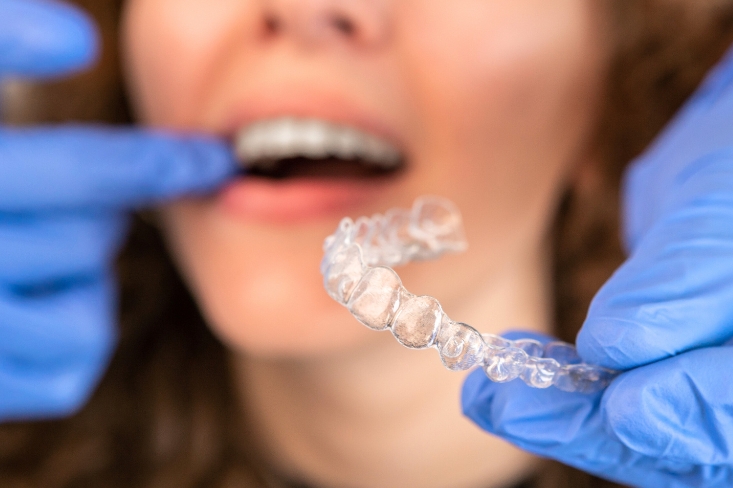
Invisalign uses a series of custom-made clear aligners to gently guide teeth into better alignment over time. Each aligner is worn for a short period before progressing to the next, allowing controlled and predictable tooth movement.
This approach is commonly used for mild to moderate crowding, spacing, and bite concerns. A dental assessment is required to determine suitability, and in complex cases, a referral to a specialist may be recommended.
What Are the Benefits of Invisalign Treatment?
Below are the key reasons many patients choose Invisalign as an alternative to traditional metal braces.
Enhanced Comfort
Clear aligners are made from smooth medical-grade material and fit closely over the teeth. Unlike metal braces, there are no wires or brackets that can irritate the cheeks or gums. Tooth movement occurs gradually, which many patients find easier to tolerate.
Virtually Invisible
Invisalign aligners are clear and subtle, making them a popular option for adults and teens who prefer a low-profile treatment. The aligners blend naturally with your teeth, allowing you to smile, speak, and interact confidently throughout treatment.
Removable for Daily Life
Aligners can be removed for meals and oral hygiene. This flexibility allows you to eat without restrictions and maintain regular brushing and flossing habits, supporting better gum health during treatment.
Fewer In-Office Visits
Invisalign typically requires fewer adjustment visits than traditional braces. Aligners are changed at home every one to two weeks, with periodic check-ins to monitor progress. This can be especially convenient for busy schedules.
Improved Oral Health
Straighter teeth are easier to clean and maintain. Improved alignment can reduce areas where plaque accumulates, supporting healthier gums and lowering the risk of decay and bite-related wear over time.
Predictable Treatment Planning
Digital scans and 3D treatment planning allow you to see a projected outcome before starting. This helps set clear expectations and ensures the treatment plan is tailored to your specific goals.
What Steps Are Involved in Invisalign Treatment?
The Invisalign process typically includes:
- A dental evaluation to assess oral health and determine candidacy
- Digital scans to design a custom series of aligners
- Addressing any existing dental concerns before starting treatment
- Wearing aligners as directed, usually 20–22 hours per day
- Periodic check-ins to track progress and make adjustments
Treatment timelines vary depending on individual needs.
Is Invisalign Right for You?
Invisalign can be an effective option for many patients, but it is not suitable for every case. More complex alignment or bite concerns may require specialist orthodontic care.
A professional assessment is the best way to understand your options and choose a treatment plan that supports long-term dental health.
Next Steps
If you are considering Invisalign and want to learn whether it fits your goals, contact us to schedule a complimentary consultation. A personalized evaluation can help you move forward with confidence and focus on steady, lasting improvement.


