
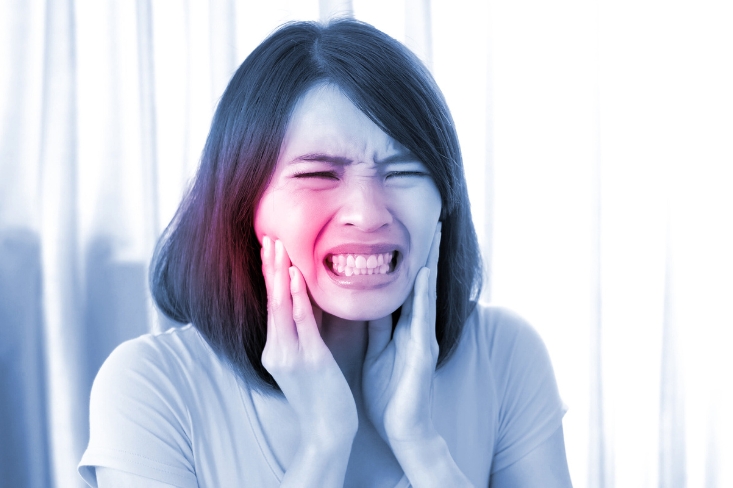
Toothaches at Midnight: How to Handle Dental Emergencies
Waking up with a toothache in the middle of the night can be stressful and painful. Knowing what may be causing the pain, how to manage symptoms safely, and when to seek professional care can help you stay calm and protect your oral health.
This guide explains common reasons for sudden nighttime tooth pain and what steps to take until you can be properly evaluated.
Why Toothaches Often Feel Worse at Night
Tooth pain can intensify at night due to increased blood flow to the head when lying down and fewer distractions that make discomfort more noticeable. Underlying dental issues that may feel manageable during the day can become harder to ignore after midnight.
Common Causes of Midnight Toothaches
Several dental conditions can trigger sudden nighttime pain.
Cavities
Tooth decay can expose sensitive inner layers of the tooth. As pressure builds and nerves become irritated, pain may feel sharp or throbbing, especially when lying down.
Gum Disease
Inflamed or infected gums can cause swelling, tenderness, and discomfort that worsens at night. Advanced gum disease may also involve infection beneath the gumline.
Chipped or Cracked Teeth
Even small cracks can expose nerve endings. Temperature changes, pressure, or clenching during sleep may trigger significant pain.
Wisdom Teeth
Impacted or partially erupted wisdom teeth can cause inflammation, pressure, and infection. Symptoms often flare unexpectedly, including during the night.
How to Relieve Toothache Pain at Home
These steps may help manage discomfort temporarily. They are not a substitute for professional care.
- Rinse gently with warm salt water to reduce bacteria and soothe irritated tissue
- Apply a cold compress to the outside of the face for 15–20 minutes to reduce swelling
- Use over-the-counter pain relievers as directed, if safe for you
- Avoid very hot, cold, sugary, or acidic foods and drinks
- Stick to soft foods and avoid chewing on the affected side
Avoid placing aspirin or other medications directly on the gums, as this can cause tissue irritation.
When to Seek Professional Dental Care
Home measures are short-term solutions. You should seek urgent dental care if you experience:
- Severe or worsening pain that does not improve
• Swelling of the face, jaw, or gums
• Fever or signs of infection
• Persistent bleeding
• A broken or knocked-out tooth
Prompt evaluation helps prevent complications and supports better long-term outcomes. In complex or advanced cases, referral to a dental specialist may be recommended.
Do Not Ignore Recurrent Tooth Pain
Recurring nighttime toothaches often signal an underlying issue that will not resolve on its own. Early assessment allows for more conservative treatment and helps protect surrounding teeth and gums.
Next Steps
If you are dealing with ongoing tooth pain or a sudden dental emergency, contact us to arrange an evaluation as soon as possible. Timely care supports comfort, oral health, and peace of mind.


